Plot summary and review
Rangasthalam: plot summary and review
⚠️ Spoiler warning: this article discusses the story, including how it ends.
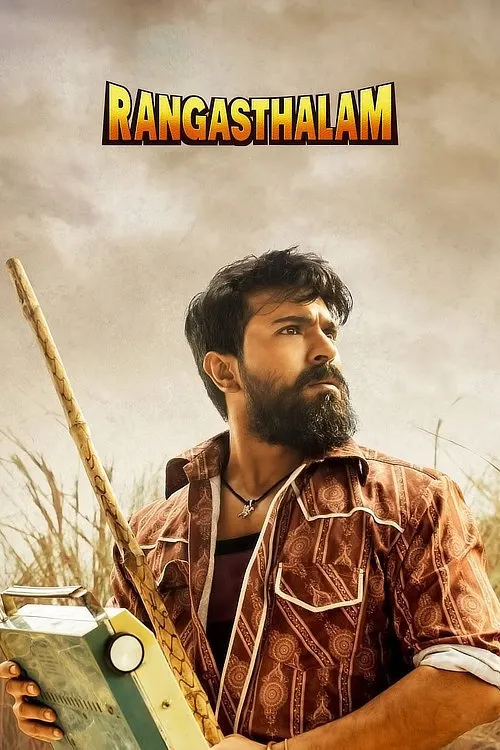
Rangasthalam is a village drama built around a simple but powerful clash: an ordinary man with a hearing impairment against the corrupt leader who has long controlled the people around him. The story begins with the hero's quiet place in village life and shifts once his brother comes back with a determination to change how things are run.
The brother's return is the spark. He wants to confront a system that has kept the villagers under one man's thumb, and that ambition puts the family directly in the leader's path. The hearing-impaired brother, who might easily be underestimated, ends up standing at the center of the struggle. What begins as a personal bond between siblings grows into a wider fight over power, fairness and the right of a community to decide its own future.
Read the rest of the article
As the conflict deepens, loyalty to family and the cost of resistance become the driving forces. The arc follows the pressure the corrupt leader applies and the determination of those who refuse to bow to it. In general terms, the story moves toward a decisive confrontation in which the villagers' stand against abuse of authority matters more than any single person, though the price of that stand is not small.
As for what to expect, this is a drama with action elements, so the emotional stakes sit alongside tense, forceful confrontations. The themes are corruption, sibling loyalty, dignity and the courage it takes to challenge entrenched power. Judging from the premise, the tone is serious and grounded in village life, with the protagonist's disability shaping how he experiences the world and the conflict rather than serving as a footnote.
It is presented as a single film, so viewers should be ready for a full story arc in one sitting, likely a measured build rather than constant fast action. It should suit anyone who enjoys rural dramas, underdog stories and conflicts where family ties and social justice are tangled together. If you prefer light entertainment, the weighty subject matter may feel heavy, but those who like stories of resistance against injustice will find a lot to engage with.