Plot summary and review
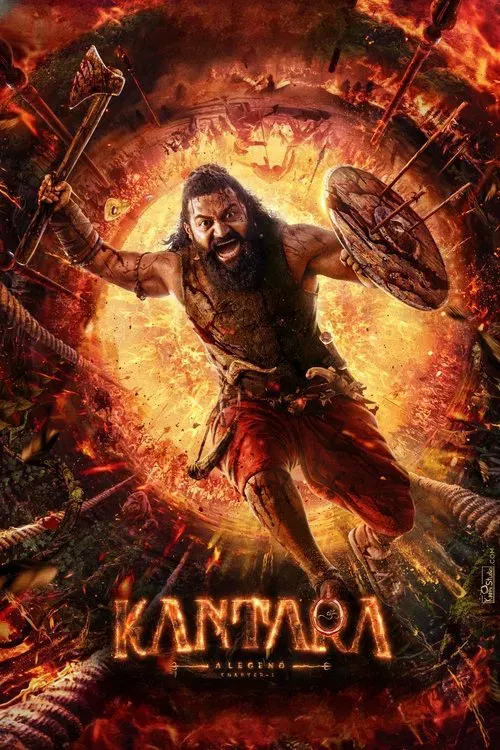
Kantara – A Legend Chapter: 1: plot summary and review
⚠️ Spoiler warning: this article discusses the story, including how it ends.
Kantara – A Legend Chapter: 1 goes back to the era of the Kadamba dynasty and builds a folklore-driven epic around the beginnings of the sacred Bhuta Kola tradition. Rather than treating the ritual as a backdrop, the story asks where it came from and what struggles gathered around it.
The information available about the film is limited, so this summary stays at the level of its premise. The central idea is an origin story: a spiritual practice that is later honoured as sacred is shown at the moment it takes shape, and the conflicts tied to it drive the narrative. Power, belief and tradition appear to pull against one another, and the film frames those clashes as legend rather than as plain history. Beyond that broad outline, there is no basis here for describing particular turning points or how the story concludes, so it is better to discover those yourself.
Read the rest of the article
As for what to expect, the genres point to a blend of drama and action. That suggests a serious, weighty tone, with emotional and cultural stakes sitting alongside physical confrontation. The epic label and the period setting hint at a large canvas, so viewers who enjoy sweeping stories rooted in myth and local tradition are the most likely audience. Themes of faith, heritage and the clash between authority and sacred custom seem central.
Pacing is hard to judge from the synopsis alone, but films of this scale and kind often take their time to establish world and ritual before moving into larger conflict, so patience may help. Anyone who prefers a light, fast, purely escapist watch might find the subject matter heavier than they want.
In short, this is a one-part, folklore-inspired period drama with action elements, aimed at people who like legends, rooted traditions and big-scale storytelling. If the idea of seeing how a sacred tradition began appeals to you, it is worth a look.